

Are Electric Toothbrushes Really Better for Your Teeth?
By Dr. R. Shaw, DDS
Short Answer
Yes. Electric toothbrushes consistently remove more plaque and reduce gum inflammation better than manual toothbrushes, especially when you use them twice a day for the full recommended time. A manual toothbrush can still work well, but electric brushes tend to make good brushing easier and more consistent for most people. Your results also depend on how you care for, store, and replace your brush or brush head.
Table of Contents
Are Electric Toothbrushes Really Better for Your Teeth?
Why Electric Toothbrushes Work So Well
Manual vs. Electric: What Is the Real Difference?
Are All Electric Toothbrushes the Same?
Can an Electric Toothbrush Damage Your Teeth?
How Often Should You Replace the Brush Head?
Do Electric Toothbrushes Help With Gum Disease?
Can My Toothbrush Cause My Gums To Bleed?
What To Expect At A Routine Cleaning If You’re Worried About Plaque Or Bleeding
FAQs About Electric Toothbrushes
Why Electric Toothbrushes Work So Well
The biggest advantage of an electric toothbrush is not “power.” It’s precision and consistency.
Electric toothbrushes are designed to do the motion for you. Instead of scrubbing back and forth (which can be uneven or too aggressive), the brush head delivers thousands of controlled movements per minute. That helps clean areas people often miss, especially along the gumline.
At Ridgetop Dental, the most common dental issues I see are caused by brushing too quickly, pressing too hard, or missing the gumline. Electric brushes reduce those variables, which is why they tend to perform better.
Electric brushes can be especially helpful if you tend to rush through brushing, brush too hard, have dental work like crowns or braces, struggle with hand strength or mobility, or have early gum disease or gum recession.
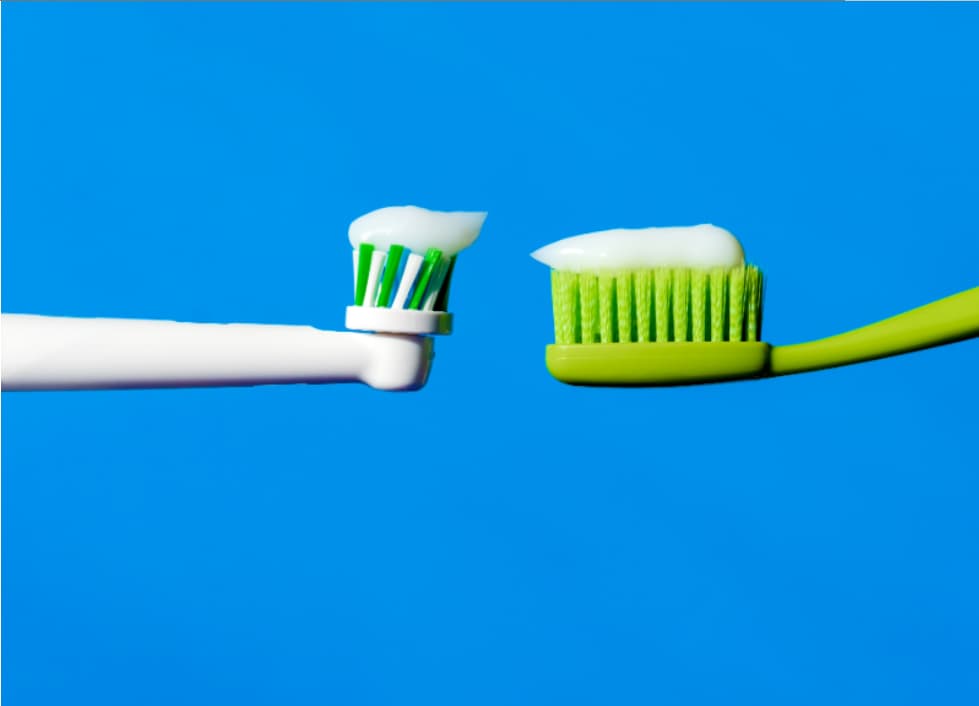
Manual vs. Electric: What Is the Real Difference?
A manual toothbrush relies entirely on your technique, pressure, and timing. An electric brush controls two of those three automatically.
| Option | Best For | What To Know |
| Manual Toothbrush | People with consistent technique and gentle pressure | Works well when technique is excellent and you brush long enough, but many people do not brush as thoroughly as they think. |
| Oscillating-Rotating Electric | People focused on plaque control and gum health | Small round heads that rotate and pulse. Often recommended for patients with gum issues. |
| Sonic Electric | People who want a gentle feel or have sensitivity | High-speed vibrations that clean using contact and fluid motion. Often comfortable for sensitive teeth. |
Neither option replaces flossing or regular dental visits, but one makes daily care easier to get right.
“Heidi was very thorough in my cleaning. CJ and Dr. Ivan were friendly and knowledgeable. Great experience all around!”
— Julie Nguyen
Are All Electric Toothbrushes the Same?
No, and this is where everyone often gets overwhelmed. I know I do!
There are two main types that work well:
Oscillating-rotating brushes
These have small round heads that rotate and pulse. They are especially effective at removing plaque and are often recommended for patients with gum issues.
Sonic brushes
These vibrate at high speeds and clean using both contact and fluid motion. They’re often gentle and comfortable, and can be a good fit for sensitive teeth.
You don’t need the most expensive model. Features like timers and pressure sensors matter more than Bluetooth apps. The best brush is the one you’ll actually use twice a day without overthinking it.
Can an Electric Toothbrush Damage Your Teeth?
Used correctly, no. In fact, many electric brushes help prevent damage by reducing aggressive scrubbing.
Problems usually come from:
- pressing too hard
- using worn brush heads
- brushing longer than recommended
The damage I see most often doesn’t come from electric brushes. It comes from manual brushing with too much force over many years, especially near the gumline. Most modern electric toothbrushes include pressure sensors that alert you when you’re brushing too forcefully, which is something a manual brush cannot do.
How Often Should You Replace the Brush Head?
Every three months is the general rule, or sooner if the bristles look frayed. Most people replace their brush head when it looks worn, but by then, it’s probably stopped cleaning effectively weeks earlier.
Worn bristles don’t clean effectively and can irritate gums. Replacing the head on schedule keeps brushing efficient and gentle.
“The cleaning was super easy and pain-free. Dr. Datta explained everything so well. I felt confident and comfortable the whole time.”
— Ridgetop Dental Patient
Do Electric Toothbrushes Help With Gum Disease?
Yes, and we have strong evidence to support that recommendation.
Gum disease starts with plaque sitting at the gumline. When that plaque stays in place, it triggers inflammation, bleeding, and eventually deeper damage. The most effective way to stop that process is consistent, thorough plaque removal.
A large review of clinical studies found that powered toothbrushes remove significantly more plaque than manual toothbrushes, even after a single brushing session. In those studies, oscillating-rotating electric brushes performed best overall, followed closely by sonic brushes, with manual brushing ranking last.
What this often means in day-to-day life: less plaque at the gumline can mean less irritation. When people switch to an electric toothbrush and use it correctly, it’s common to see less bleeding and gums feeling firmer, with inflammation calming down over time, especially when brushing is paired with daily flossing.
Can My Toothbrush Cause My Gums To Bleed?
It can, especially if you’re pressing too hard, brushing longer than recommended, or using a brush head with worn bristles. But bleeding gums are also a common sign that plaque has been sitting at the gumline and causing inflammation.
If you notice bleeding, focus on gentle, consistent brushing at the gumline and keep up with daily flossing. If bleeding continues or you’re not sure what’s causing it, come in for a visit so we can pinpoint whether it’s technique, buildup, or early gum disease.
What To Expect At A Routine Cleaning If You’re Worried About Plaque Or Bleeding
If you’re unsure whether your brushing is doing enough, a regular visit can give you clarity. Here’s our typical flow:
- Check-in and a quick review of concerns (including sensitivity or bleeding)
- Cleaning to remove plaque and tartar you cannot remove at home
- Gum and tissue check to look for signs of inflammation
- Doctor exam to confirm what’s going on and what matters most next
- Simple at-home adjustments based on what your mouth is doing now
- Next-visit plan that fits your needs and habits
FAQs About Electric Toothbrushes
Are electric toothbrushes better for sensitive teeth?
Yes, especially models designed for sensitivity. They clean efficiently without aggressive scrubbing.
Do kids benefit from electric toothbrushes?
Many do. Timers and fun designs help children brush longer and more consistently.
Is an electric toothbrush worth the cost?
For most patients, yes. They often reduce plaque buildup and gum issues, which can prevent more costly dental problems later.
Do I still need to floss if I use an electric toothbrush?
Absolutely. Toothbrushes clean surfaces, floss cleans between teeth. You need both.
Should I be concerned if my gums bleed when I brush my teeth?
Bleeding often points to inflammation at the gumline. It can also happen if you’re brushing too hard. If bleeding is frequent or doesn’t improve with gentle, consistent brushing and daily flossing, it’s worth getting checked.
Can my toothbrush cause my gums to bleed?
Yes. Pressing too hard, using worn bristles, or brushing longer than recommended can irritate gums. Electric brushes with pressure sensors can help you stay gentler.
The Bottom Line
If you want a personalized recommendation on the right toothbrush type and how to reduce plaque and gum inflammation, we can help at your next visit. Ridgetop Dental provides patient-centered care for adults and families in Alexandria, Reston, and Sterling, Virginia.
Schedule your next visit with Ridgetop Dental and let’s talk about what will help you keep your smile healthy long term.