
Do I Need a Nightguard If I Grind My Teeth?
By Dr. Preetinder Kaur, BDS, DDS, Cosmetic & General Dentistry
Short Answer
If you grind or clench your teeth, the answer is often yes, a nightguard can be a very helpful next step. Most people grind while they sleep, so you may not realize it’s happening until you notice jaw soreness, headaches, tooth sensitivity, or chips and wear. A properly fitted nightguard creates a cushion between your teeth to protect enamel and reduce strain on your jaw. If you’re unsure, I recommend a quick exam so we can look for signs of wear and talk through what makes sense for you.
Table of Contents
What Teeth Grinding Can Do to Your Mouth
How a Nightguard Helps If You Grind Your Teeth
Signs You May Need a Nightguard
Is A Store-Bought Nightguard Good Enough?
Store-Bought vs Custom Nightguard
When a Nightguard Is Especially Important
Is Wearing a Nightguard Uncomfortable?
What To Expect When You Get A Custom Nightguard
FAQs About Nightguards and Teeth Grinding
What Teeth Grinding Can Do to Your Mouth
Teeth grinding (bruxism) is more than an annoying habit. When you grind, your jaw muscles can stay active for long stretches at night, putting consistent pressure on your teeth and jaw joints.
Over time, grinding can contribute to:
- Worn or flattened teeth
- Cracks or chips in enamel
- Jaw pain or tightness when you wake up
- Headaches that start near your temples
- Increased tooth sensitivity
If you’ve been telling yourself, “It’s probably just stress,” you’re not alone, because grinding can feel normal until the effects start adding up.
“I have an irrational fear of the dentist. The office staff is very kind and patient. They took the time to talk to me about my fears and concerns. Heidi was my hygienist and she was amazing. So patient and kind.”
— Courtney Stahl
How a Nightguard Helps If You Grind Your Teeth
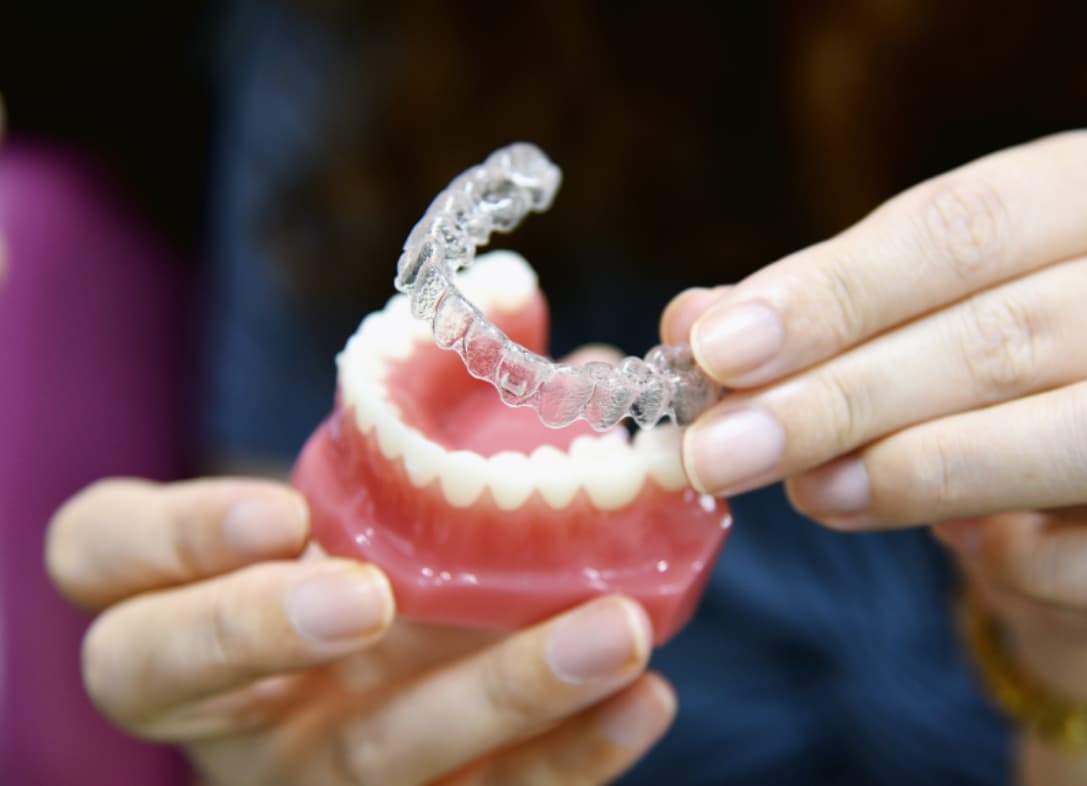
A nightguard creates a protective barrier between your upper and lower teeth. Instead of enamel grinding against enamel, the guard absorbs and redistributes the force.
That protection can help:
- Reduce ongoing wear on your teeth
- Ease stress on your jaw joints and muscles
- Lower the risk of cracked teeth (or damage to existing dental work)
- Improve morning jaw soreness or tension headaches for some patients
I often describe it like a helmet: it may not stop the motion completely, but it helps protect what matters.
Signs You May Need a Nightguard
You don’t have to wait until something breaks to consider a nightguard. Here are some of the most common signs I look for:
- You wake up with jaw soreness or tightness
- Your teeth look shorter or flatter than they used to
- You notice new chips or small cracks
- You have frequent tension headaches
- A partner hears grinding sounds at night
If any of this sounds familiar, it’s worth bringing up at your next visit. Many patients feel relieved once there’s a clear reason for what they’ve been feeling.

Is A Store-Bought Nightguard Good Enough?
This is a very common question, especially if you’re trying to start with the simplest option.
Store-bought nightguards are designed to fit a wide range of mouths, which means they can feel bulky or shift during sleep. In some cases, an uneven fit can actually encourage more clenching because your jaw is trying to find a comfortable resting position.
A custom nightguard is made from an impression of your teeth, so it fits securely and evenly across your bite. That even contact matters, because when pressure is distributed correctly, your jaw muscles can finally relax instead of bracing.
Store-Bought vs Custom Nightguard
| Type | Fit & Comfort | Protection Level | Long-Term Use |
| Store Bought | One-size-fits-most | Basic | Often uncomfortable |
| Custom Nightguard | Made for your bite | Targeted protection | Designed for nightly wear |
If you’ve ever worn shoes that were close enough but not quite right, you understand the idea. You can get by for a little while, but it’s not how you’d want to function every day (or every night).
When a Nightguard Is Especially Important
Some people absolutely benefit from wearing a nightguard consistently, especially if you:
- Have existing crowns or dental restorations
- Have a history of cracked or broken teeth
- Experience ongoing jaw pain or tension
- Have been told you clench during the day or night
Protecting dental work is something I care deeply about. A nightguard helps preserve the care you’ve already invested in.
“Dr. Datta and the entire are always courteous and efficient. They get you in quickly, get the procedure done, and on your way.”
— Kartunes
Is Wearing a Nightguard Uncomfortable?
This is one of the biggest concerns I hear, especially from patients with dental anxiety or anyone who is sensitive to having something in their mouth.
Most patients adjust to a custom nightguard within a few nights. It should feel snug and secure, not bulky or painful, and not like something you’re constantly aware of. A little awareness at first is normal, similar to getting used to a retainer or a new pair of glasses.
One important rule to remember: a nightguard should never hurt. If it rubs in certain areas, feels uneven, or makes your jaw feel worse after the initial adjustment period, that usually means it needs an adjustment. Small refinements can make a big difference, and they’re part of getting the fit right.
What To Expect When You Get A Custom Nightguard
If we decide a custom nightguard is the right fit for you, here’s what the process typically looks like:
- We look for signs of grinding. I’ll check for wear patterns, chips, cracks, and bite stress.
- We take an impression of your teeth. This is what allows the guard to fit your bite accurately.
- You come in for a fitting. We confirm it seats comfortably and contacts evenly across your bite.
- You try it at home for a few nights. Most people adjust quickly, but we want your feedback.
- We fine-tune if needed. If something feels off, we adjust it so it feels secure and comfortable.
FAQs About Nightguards and Teeth Grinding
Do I need a nightguard if I only grind sometimes?
Even occasional grinding can cause damage over time. If signs of wear are present, a nightguard can still be helpful.
Can grinding really crack my teeth?
Yes. Grinding places far more force on teeth than chewing. Over time, that pressure can lead to cracks or fractures.
Will a nightguard stop me from grinding completely?
A nightguard protects your teeth and jaw but doesn’t always stop the grinding itself. It reduces the harm caused by it.
How long does a custom nightguard last?
With proper care, many last several years. Grinding intensity and consistency both play a role in its shelf life.
Can stress make grinding worse?
Absolutely. Stress and anxiety are common triggers, which is why grinding often happens during sleep.
Are store-bought nightguards safe to use?
They can be an option for short-term use, but the fit is the challenge. If it feels bulky, shifts at night, or makes you clench more, it’s worth talking with a dentist about a better-fitting alternative.
Do I still need a nightguard if I have crowns or fillings?
Often, yes. If you grind, a nightguard can help protect restorations from extra pressure and reduce the risk of damage.
A Small Step That Protects Your Smile and Your Comfort
If you grind your teeth, you’re not doing anything wrong, and you’re certainly not alone. Many people clench or grind without realizing it, often during sleep, and it doesn’t mean you’ve failed at caring for your teeth. A nightguard is often a simple, protective step that helps your teeth and jaw stay healthy long term, especially when we catch the signs early.
If you’ve been wondering whether a nightguard might help you, the best next step is a conversation with me or my team. During your exam, we can look at the signs together, talk through your symptoms, and help you decide what feels right for you, with no pressure and no judgment. Schedule your visit today at one of our three Ridgetop Dental locations.