

By Dr. Ivan Sabarre, DDS
Tooth sensitivity is best treated by first understanding what’s causing it, then choosing a solution that fits your situation. For many of you, that starts with desensitizing toothpaste or fluoride treatments. For others, sensitivity is your body’s way of telling you that something has changed, enamel has worn down, gums have receded, teeth are grinding, or an older restoration needs attention. The right treatment depends on why your tooth is sensitive in the first place.
I see tooth sensitivity often. You might notice it as a quick twinge, or it might be disruptive enough that you avoid cold drinks, hot coffee, or certain foods altogether. The good news is that sensitivity is usually manageable once we understand what’s triggering it and address the source rather than just the symptom.
Table of Contents
Tooth Sensitivity Happens When Protective Layers Break Down
Common Causes of Sensitive Teeth
The Best Treatments for Tooth Sensitivity Depend on the Cause
Common Causes of Tooth Sensitivity and Typical Treatments
Why Sensitivity Should Not Be Ignored
What Can I Do at Home to Reduce Tooth Sensitivity?
Tooth Sensitivity Treatment at Ridgetop Dental
Tooth Sensitivity Happens When Protective Layers Break Down
Your enamel acts like the outer walls and roof of your home. It’s strong and built to handle daily wear. Near the roots of your teeth, a thinner layer called cementum works more like siding around the foundation. Beneath both of those layers is dentin, which you can think of as the wiring inside the walls. Dentin isn’t meant to be exposed. It contains tiny channels that lead straight to the nerve at the center of your tooth.
When your enamel wears down or your gums recede, those protective barriers thin or pull back. That’s similar to exposed wiring in a house. Suddenly, things that never bothered you before, cold air, hot drinks, sweet foods, even brushing, can trigger sharp or lingering discomfort because the nerve is no longer insulated.
It helps to remember that sensitivity isn’t a diagnosis by itself. It’s a signal. The most effective treatment starts with understanding which protective layer changed and why, in other words, which part of the structure needs repair, so you can reinforce it instead of simply covering up the discomfort.
Common Causes of Sensitive Teeth
There is no single cause of tooth sensitivity. In my experience, it usually comes down to one or more of the following.
- Worn or thinning enamel from aggressive brushing, acidic foods, or teeth grinding.
- Gum recession that exposes the root of the tooth, which has less natural protection.
- Tooth grinding or clenching that puts repeated stress on enamel.
- Small cracks or chips that allow temperature changes to reach the nerve.
- Old fillings or crowns that no longer seal the tooth properly.
- Untreated cavities that expose deeper layers of the tooth.
This is why sensitivity that lingers or worsens should always be evaluated. Treating the wrong cause often leads to frustration and continued discomfort.
The Best Treatments for Tooth Sensitivity Depend on the Cause
There is no universal fix, but there are very effective options once we uncover your source of pain.
Common Causes of Tooth Sensitivity and Typical Treatments
| Cause of Sensitivity | What’s Happening | Common Treatment Approach |
| Worn or thinning enamel | Enamel no longer fully protects your inner tooth layer | Desensitizing toothpaste, fluoride treatments, enamel-protective care |
| Gum recession | Tooth roots become exposed and react to temperature | Desensitizing agents, gentle hygiene changes, periodontal care |
| Teeth grinding or clenching | Repeated pressure wears enamel and stresses your tooth nerve | Custom nightguard to protect teeth and reduce pressure |
| Small cracks or chips | Temperature and pressure reach the inner tooth | Bonding or restorative repair |
| Old or failing fillings or crowns | Gaps allow irritation to reach the nerve | Repair or replacement of the restoration |
| Tooth decay | Decay exposes deeper layers of the tooth | Filling or restorative treatment |
Desensitizing toothpaste
This is often the first step if you’re dealing with mild sensitivity. Desensitizing toothpastes work by blocking the nerve pathways inside your dentin over time. You’ll need to use it consistently for a few weeks to notice results, and it works best when you brush gently with a soft-bristled toothbrush.
Professional fluoride treatments
Fluoride strengthens your enamel and can significantly reduce sensitivity. In-office fluoride treatments deliver a higher concentration than what you can buy over the counter and often help when your enamel has been weakened.
Dental bonding or sealants
If your sensitivity comes from exposed roots, worn enamel, or small surface defects, bonding can cover and protect the sensitive area. This is a conservative option that often provides relief quickly.
Treating gum recession
When your gums recede, the root of your tooth becomes exposed and more sensitive. Treatment may include desensitizing agents, adjustments to how you brush, or, in some cases, periodontal care.
Replacing or repairing old restorations
If you notice sensitivity around a filling or crown, it can be a sign of wear or leakage. Repairing or replacing that restoration often resolves the issue by sealing the tooth again.
Addressing teeth grinding
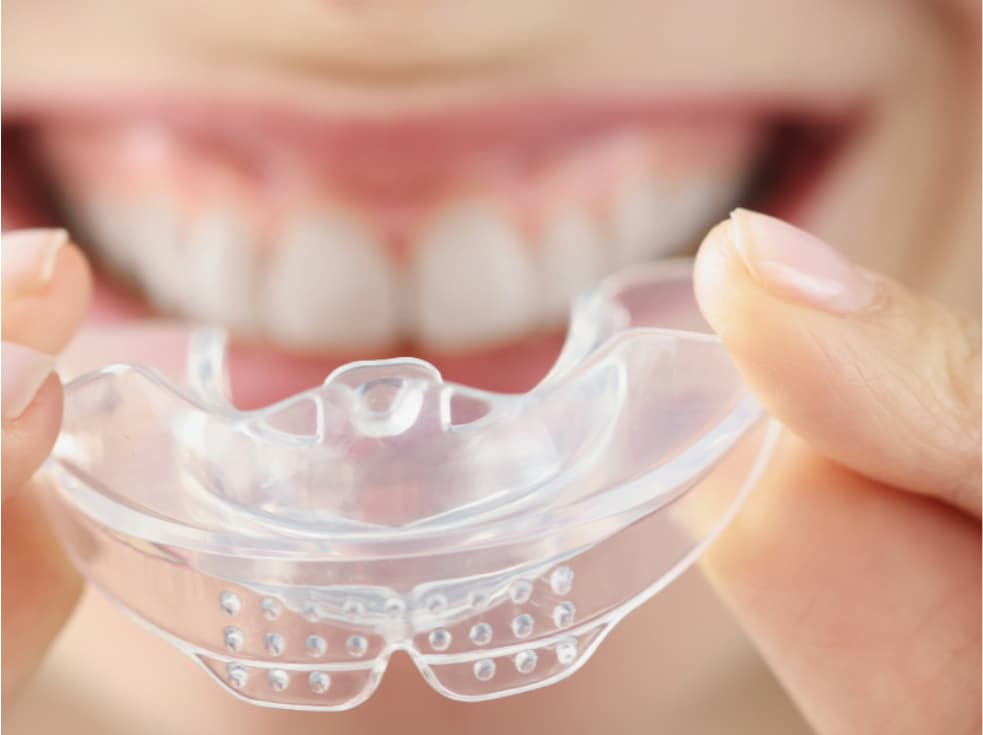
If you grind or clench your teeth, you place repeated stress on your enamel, which can lead to temperature sensitivity over time. A custom nightguard can protect your teeth and reduce symptoms by relieving pressure on both the enamel and the nerve.
The key is matching your treatment to the cause of your sensitivity, not just trying to mask the symptoms.
“Back tooth was sensitive to anything chewed or cold. Problem solved! After X-ray of area, the problem was found and dealt with right away, painlessly.”— Susan B
Why Sensitivity Should Not Be Ignored
Occasional, mild sensitivity is common. Ongoing or worsening sensitivity is not something you should brush off. What feels like simple sensitivity can sometimes be an early sign of decay, a cracked tooth, or gum disease.
If you ignore it, sensitivity can lead to bigger issues over time, including:
- More extensive enamel loss
- Deep cavities that require crowns instead of fillings
- Progression of gum disease
- Ongoing discomfort that affects how you eat and care for your teeth
When you address sensitivity early, treatment is usually simpler and more conservative.
What Can I Do at Home to Reduce Tooth Sensitivity?
Alongside professional care, a few daily habits can make a noticeable difference.
- Use a soft-bristled toothbrush and gentle pressure
- Avoid brushing right after acidic foods or drinks
- Limit frequent exposure to soda, citrus, and sports drinks
- Use desensitizing toothpaste consistently
- Wear a nightguard if you grind your teeth
These steps help protect your enamel and reduce irritation to the nerve over time.
“Heidi was very thorough in my cleaning. CJ and Dr. Ivan were friendly and knowledgeable. Great experience all around!”— Julie Nguyen
When Should I See a Dentist for Tooth Sensitivity?
You should schedule an evaluation if your sensitivity:
- Lasts longer than a few weeks
- Gets worse instead of better
- Affects one specific tooth
- Comes with pain when you bite or chew
- Starts after dental work and doesn’t improve
Sensitivity is often easiest to treat early. A focused exam and X-rays can usually identify the cause and help prevent the issue from progressing.
Tooth Sensitivity Treatment at Ridgetop Dental
At Ridgetop Dental, we start by listening. I take time to understand when your discomfort began, what triggers it, and how it affects your day. From there, I focus on clear explanations and options.
Most sensitivity improves without aggressive treatment once we address the underlying issue. If you’ve started avoiding certain foods or you hesitate before taking a sip of something cold, that’s often your cue to schedule a visit with our team.
FAQs About Tooth Sensitivity
What is the most effective treatment for sensitive teeth?
The most effective treatment depends on what’s causing your sensitivity. Desensitizing toothpaste and fluoride can help mild cases, while bonding, gum treatment, or restoration repair may be needed for structural issues.
Can tooth sensitivity go away on its own?
Mild sensitivity can improve when you change brushing habits and toothpaste. If sensitivity sticks around, you’ll usually need a professional evaluation.
Is tooth sensitivity a sign of a cavity?
It can be. Sensitivity that affects one tooth or keeps getting worse may point to decay, a crack, or a failing filling.
Does teeth whitening cause sensitivity?
Yes, whitening commonly causes temporary sensitivity. If discomfort doesn’t fade, it’s worth having it checked.
Are sensitive teeth permanent?
Not usually. Once you identify the cause, most types of sensitivity are treatable.
Next Steps for Tooth Sensitivity Relief
If tooth sensitivity has been interfering with your comfort or confidence, you don’t have to guess at the cause. A dental exam can help identify what’s behind it and give you clear, practical options to relieve it and prevent it from getting worse. Schedule your visit today at one of our three locations to restore comfort and protect your smile.